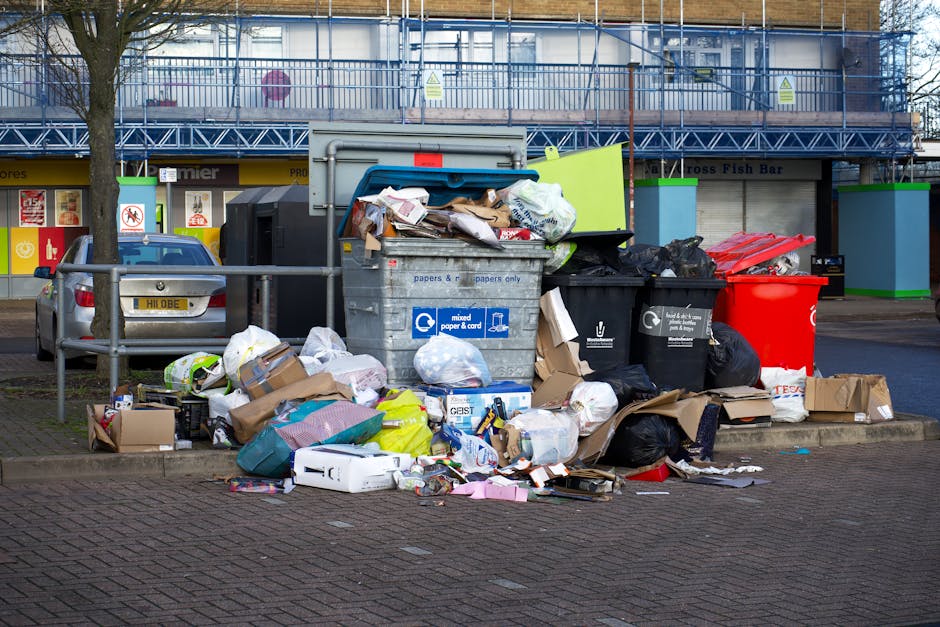
Church Road bulky rubbish removal best practices for flats
If you live in a flat on or near Church Road, bulky waste can become a surprisingly awkward problem. A sofa that looked manageable in the hallway suddenly won't fit through the stairwell. A broken wardrobe sits by the front door for three days. The lift is too small, the bin store is already crowded, and nobody wants to be the person blocking the shared entrance. That is exactly where Church Road bulky rubbish removal best practices for flats make life easier.
This guide breaks down the practical side of clearing large items from flats: how the process works, how to avoid neighbour complaints, what to check before booking, and how to reduce stress on collection day. It also covers safety, compliance, and a few small tricks that make a big difference in real life. Truth be told, good planning is often the difference between a tidy, quick collection and a messy, frustrating one.
Whether you are clearing one mattress or dealing with a full flat refresh, the right approach helps you save time, protect communal areas, and get the job done without turning the building into a temporary storage unit. And let's face it, nobody wants that.
Table of Contents
- Why best practices matter for flats on Church Road
- How bulky rubbish removal works in a flat
- Key benefits and practical advantages
- Who this is for and when it makes sense
- Step-by-step guidance
- Expert tips for better results
- Common mistakes to avoid
- Tools, resources and recommendations
- Law, compliance and best practice
- Options and comparison
- Case study / real-world example
- Practical checklist
- Conclusion
- Frequently Asked Questions
Why Church Road bulky rubbish removal best practices for flats Matters
Bulky rubbish removal in flats is rarely as simple as carrying something out to the pavement. You are usually dealing with shared access, limited storage, neighbours who notice everything, and building rules that may be stricter than people expect. A single missed detail can cause delays or complaints. In a flat, the space around your waste matters almost as much as the waste itself.
Good practice matters because bulky items create friction in communal settings. A mattress leaning in a hallway can be a fire and access issue. A fridge left near the entrance can block a resident, delivery driver, or cleaner. Even if the item is yours, the shared space belongs to everyone, so the way you prepare it affects the whole building. That is why being organised is not just convenient; it is respectful.
There is also the practical side. Larger items tend to be awkward, heavy, or messy. Old furniture may shed screws, upholstery, dust, or broken wood. Appliances can contain residual water or hidden sharp edges. If you rush, you can damage walls, stair rails, or floors. If you plan properly, you reduce all of that. Simple enough in theory, but it takes a bit of care.
For people living on Church Road or nearby streets, access can vary a lot from one block to the next. Some flats have narrow stairs, some have lifts that barely fit a dining chair, and some have no lift at all. The best practice is to assume the collection route will be tighter than you hope, then plan accordingly. That usually saves you from a last-minute scramble.
Expert summary: for flats, bulky rubbish removal works best when you think like a building manager, not just a homeowner. Plan access, protect shared areas, separate reusable or recyclable items, and make the collection route as straightforward as possible. That mindset alone prevents most problems.
How Church Road bulky rubbish removal best practices for flats Works
At a practical level, bulky waste removal for flats follows a simple pattern: identify the items, check access, prepare the waste, choose the right removal method, and arrange collection. The details matter, though, because flat-based jobs usually require a bit more coordination than a house clearance. No drama, just reality.
The process often starts with a quick assessment. What needs removing? How many items? Are there stairs, lifts, or tight corners? Can the waste be carried safely through common areas, or does it need to be broken down first? Once you answer those questions, you can match the job to the right method. That might be a man and van style collection, a full rubbish removal service, a skip if there is space, or a wait-and-load option where the team loads everything quickly and leaves without long-term placement.
For many flat dwellers, speed and access are the deciding factors. A skip is not always ideal where parking is limited, permits may be needed, or shared roads are sensitive. A collection team can sometimes be the cleaner option if you need the waste gone without filling the street. If the building is cramped, the key is usually minimising the time items spend in communal areas. Better to keep it short than to leave clutter hanging around for half the week.
It also helps to think in stages. Break down what can be dismantled. Remove loose cushions, drawers, shelves, and doors where practical. Bundle smaller loose items together. Keep waste separated if some of it can be recycled. Then, on collection day, make the route as direct as possible. A clear path from flat to exit is worth its weight in gold, honestly.
If you are comparing removal styles, services such as rubbish removal, man and van, and wait and load skip hire each suit different flat layouts and waste volumes. The best choice depends less on the item itself and more on access, timing, and how much help you need on the day.
Key Benefits and Practical Advantages
When bulky waste is managed properly in a flat, the benefits go beyond simply making things look tidier. You reduce stress, avoid awkward conversations with neighbours, and often finish faster than you would by trying to manage it piece by piece. That alone can be a relief after a long weekend of clearing out.
- Less disruption in shared spaces: items are moved in a controlled way rather than left in corridors or by the bins.
- Better safety: fewer trip hazards, less lifting risk, and less chance of damaging walls or flooring.
- Cleaner recycling outcomes: items can be separated properly, which often improves what gets recovered or reused.
- Faster completion: a planned removal is usually quicker than improvising as you go.
- Lower chance of complaints: neighbours are less likely to object when the process is tidy and time-limited.
There is also a financial angle, although it is sensible to be cautious here because costs vary by load size, access, and service type. A well-prepared job can be more efficient because crews spend less time wrestling with access issues or separating mixed waste on the spot. In plain English: the better you prepare, the less likely you are to pay for avoidable complications. Not always, but often enough.
Another benefit is peace of mind. If you know the items are being handled properly, you do not have to worry about where they ended up or whether they were dumped somewhere they should not have been. That matters more than people admit, especially in busy flats where everyone already has enough on their plate.
Who This Is For and When It Makes Sense
Bulky rubbish removal is not just for major refurbishments. In flat living, it can be useful in all sorts of everyday scenarios. Sometimes it is one broken sofa. Sometimes it is a full declutter after a tenant move-out. Sometimes it is the slow accumulation of "I'll deal with that later" items that suddenly fills half the spare room. We have all seen that room.
This approach makes sense if you are:
- moving in or moving out of a flat
- replacing old furniture or appliances
- clearing after a tenancy or sale
- dealing with clutter in a storage cupboard, loft access area, or communal storage room
- managing waste from a small refurbishment
- helping a relative downsize
- sorting awkward items that council-style collections may not take immediately
It also makes sense if the building layout is difficult. A top-floor flat, a narrow stairwell, a small lift, or limited parking can all make DIY disposal more hassle than it is worth. In those cases, the most practical choice is often the one that keeps lifting, carrying, and parking disruption to a minimum.
Some residents only realise this after trying to drag a wardrobe down two flights of stairs. That is usually the moment they decide a better plan would have been nice. Fair enough, really.
Step-by-Step Guidance
If you want a smoother bulky rubbish removal process in a flat, follow these steps. The order matters more than you might think.
1. Identify everything that needs to go
Walk through the flat and list every item. Include the obvious ones and the awkward extras: broken shelves, old blinds, damaged bedside tables, box springs, lamps, or appliance packaging. Be specific. A vague pile of "stuff" tends to cause confusion later.
2. Separate what can be reused or recycled
Before you book anything, sort items into rough categories: reusable, recyclable, and general waste. If something can be donated, sold, or reused, remove it from the bulky waste pile early. If cardboard, metal, or clean wood can be separated, do that too. Small effort now, less mess later.
3. Check access from flat to vehicle
Measure doorways if needed. Check whether the lift is wide enough. Note stair turns, tight landings, and parking restrictions. In some blocks, a collection team will need to park close to the entrance; in others, they may need a little extra time to carry items safely.
4. Protect the communal areas
Put down dust sheets or old cardboard if items might scratch floors. Keep a cloth handy for dirty feet, leaking appliance water, or loose debris. A quick sweep after moving can save a lot of embarrassment. It sounds basic, but basic is good here.
5. Break down large items where practical
Remove legs, doors, shelves, cushions, or drawers if the item becomes easier to carry. Flat-pack furniture is often simpler than people expect once it is dismantled. Just remember to keep screws and small fittings in a bag, otherwise they vanish into the under-stair darkness forever.
6. Decide on the collection method
For a compact flat clearance, a direct collection or man and van service can be more suitable than placing a skip. If you have enough space and the building layout supports it, skip hire may still work well. For quick removal with minimal street time, a wait-and-load approach is worth considering. If you want to compare broader waste handling options, the skip hire and skip sizes and prices pages can help you judge scale and fit.
7. Make the pickup area clear
Keep the items together in a sensible spot if building rules allow it. Do not block fire exits, residents' routes, or bin stores. If you need to stage items for a short time, choose the least disruptive place and keep it neat. A tidy pile is easier for everyone to live with.
8. Confirm the final details before the team arrives
Double-check timing, contact details, access instructions, and any parking notes. If there is a resident fob, porter, or gate code involved, share it early. A five-minute delay in the morning can become a half-hour problem by lunchtime. You know how buildings work.
9. Inspect the area once the waste is gone
Look for nails, glass, dust, or small scraps left behind. Check whether any marks need a quick wipe. Then take a breath. Job done.
Expert Tips for Better Results
These are the small things that usually separate a decent removal from an easy, almost painless one.
- Book with access in mind, not just item count. Two bulky items on the tenth floor can be harder than six items on the ground floor.
- Photograph awkward pieces in advance. A clear photo helps identify whether something will fit through a doorway or need dismantling.
- Clear the route the night before. Shoes, coat stands, umbrella holders, and plant pots have a habit of becoming trip hazards.
- Keep recyclable material separate. Metal frames, cardboard, and clean wood are often easier to process when they are not mixed with general waste.
- Think about neighbours early. If you expect noise or a brief obstruction, give people a heads-up. That small courtesy goes a long way.
- Use the smallest effective solution. Not every job needs a large vehicle or a full skip. Sometimes the simpler option is the smarter one.
One thing people often overlook is timing. Mid-morning collections can work better in flats because residents have usually started their day and access routes are calmer. Early evening can be trickier, especially in busier buildings where everyone seems to arrive home at once. That small timing tweak can save quite a bit of frustration.
And yes, a roll of tape and a marker pen can make you look absurdly organised. In fairness, absurdly organised is exactly what you want here.
Common Mistakes to Avoid
Most bulky waste headaches in flats come from a few predictable mistakes. The good news is that they are easy to avoid once you know what to look for.
Leaving items in communal areas for too long
Even if the collection is booked, long waiting periods create friction. Hallways are shared spaces, not storage spaces. Move items out only when you are ready or when building rules clearly allow it.
Assuming everything will fit through the same route
A sofa may make it through the flat door but fail at the stair turn or lift entrance. Always check the whole route, not just the first doorway.
Not separating hazardous or awkward waste
Certain items need extra care, especially appliances, batteries, fluorescent tubes, chemicals, or anything with sharp edges. If in doubt, treat them separately and ask before mixing them in with normal bulky waste. If you are dealing with items that need specialist handling, a page like hazardous waste disposal is more relevant than a general clearance service.
Forgetting parking or access restrictions
A truck that cannot stop nearby can turn a simple removal into a long carry. That adds time, effort, and sometimes cost. Check the road conditions before the day, especially on busier stretches near Church Road where parking can be tight.
Mixing up bulky waste with general household rubbish
Bulky items are often easier to manage when they are kept separate from bags of everyday rubbish. Mixing the two can slow everything down and make recycling harder.
Ignoring neighbours and building rules
This is the one that causes unnecessary tension. A short note to residents or a quick word with the building manager can prevent a lot of grumbling. A tiny bit of communication saves a lot of noise.
Tools, Resources and Recommendations
You do not need a warehouse of equipment to handle flat-based bulky rubbish removal well. A few sensible tools make the job safer and cleaner.
- Heavy-duty gloves: useful for sharp edges, splinters, and dirty surfaces.
- Moving blankets or old sheets: help protect walls, floors, and door frames.
- Tape and marker pens: good for labelling parts or securing loose drawers and doors.
- Basic tools: screwdrivers, a small spanner set, and an Allen key often help dismantle furniture.
- Bin bags and boxes: useful for loose fittings, screws, soft furnishings, and small accessories.
- Cleaning wipes or a brush: for the quick tidy-up after removal.
If you expect mixed household waste, it can help to look at services that handle several waste streams. For example, house clearance can be useful where a flat contains a broader mix of furniture and clutter, while mattress and sofa disposal is helpful for the awkward items everyone seems to have at least once in life.
For people trying to keep costs sensible, the article on reducing your spending on bulky waste item collection offers useful ideas on cutting waste volume before booking. And if your flat has a lot of recycling-friendly material, the guide on recycling and sustainability gives a broader view of how waste can be handled more responsibly.
Law, Compliance, Standards, or Best Practice
When removing bulky rubbish from flats, the safest approach is to follow general UK waste best practice and any building-specific rules that apply. You do not need to be a legal expert to get this right, but you do need to stay careful.
In practice, that means:
- keeping fire exits and communal walkways clear
- placing waste only where the building permits it
- using a legitimate waste carrier or reputable removal service
- separating items that require specialist handling
- avoiding fly-tipping or leaving waste where it can obstruct others
If your building has a management company, landlord, or resident association, check whether there are rules about collection times, lift use, or temporary storage. Some blocks are relaxed about short-term staging; others are much stricter. It really varies.
Best practice also means protecting the building fabric. Scraped paint on a stairwell or a cracked tile near the entrance can become an avoidable issue. If an item is unusually bulky, heavy, or unstable, ask whether it should be moved by more than one person or handled with equipment. There is no prize for heroics here.
For people comparing service standards, it is sensible to look for clear information on safety, insurance, and payment processes. Relevant pages such as health and safety policy, insurance and safety, and payment and security can help reassure you before you book. Those details matter, especially in a flat where shared access makes good practice even more important.
Options, Methods, or Comparison Table
There is no single best method for every flat. The right choice depends on volume, access, timing, and how much disruption you can tolerate. Here is a straightforward comparison.
| Method | Best for | Pros | Trade-offs |
|---|---|---|---|
| Man and van collection | Small to medium bulky loads | Flexible, fast, suitable for tight access | May need clear loading access and precise timing |
| Rubbish removal service | Mixed bulky items and household waste | Hands-on help, efficient loading, less effort for you | Cost can vary with volume and access |
| Skip hire | Larger clear-outs with suitable parking space | Handy for staged loading, good for ongoing work | May need permits or space; not ideal for very tight roads |
| Wait-and-load | Jobs needing quick turnaround in busy areas | Minimal street occupation, often tidy and direct | Requires items to be ready at the agreed time |
If your flat is on a narrow road or access is awkward, quick-load methods often make the most sense. If you are doing a longer declutter and have the space, a skip can work well. For many flats, though, a direct collection is the simplest answer. It is less glamorous than people hope, but it usually gets the job done with fewer headaches.
Related options such as skip permits and what can go in a skip are worth checking if a skip is part of your plan. The fine print matters more than the brochure sometimes.
Case Study or Real-World Example
Consider a typical flat-clearance scenario near Church Road. A resident is replacing a worn-out sofa, a broken wardrobe, and an old mattress. The flat is on the second floor, the staircase is narrow, and there is no realistic place to leave waste for long. The first thought is often, "I'll just put it out later and sort it." That sounds easy. It usually isn't.
A better approach is to dismantle the wardrobe the night before, remove the sofa cushions and legs if possible, and keep the mattress wrapped or at least cleanly handled so it does not drag dust through the building. The resident checks the building's access rules, confirms the parking arrangement, and chooses a collection option that suits short loading time rather than long on-street storage. The items are grouped neatly, the route is kept clear, and the job is finished in one visit.
The difference is not magical. It is simply preparation. The hallway stays clear, neighbours are less irritated, and the collection team can work quickly. The building feels normal again almost immediately, which is exactly what most people want. No fanfare, no mess, just done.
In another common variation, a tenant leaving a flat has three bulky items and a stack of mixed household waste. In that case, separating the items beforehand reduces confusion and makes the process more efficient. If the property contains a lot more than just one or two large pieces, a broader service such as builders waste removal or construction waste disposal may be more appropriate if the work is tied to refurbishment rather than simple household clearance.
Practical Checklist
Use this checklist before collection day. It keeps everything simple and helps avoid that last-minute "where did I put the tape?" moment.
- List every bulky item that needs removing
- Check whether anything can be reused, donated, or recycled
- Measure doors, lifts, stair turns, and tight corners if needed
- Confirm parking and access arrangements
- Ask about building rules for communal areas
- Dismantle items where safe and practical
- Bag loose screws, fittings, and small parts
- Protect floors and walls in shared spaces
- Keep fire exits and walkways clear
- Choose the removal method that fits the flat layout
- Confirm timing, contact details, and instructions
- Inspect the area after collection and sweep up debris
Quick rule of thumb: if an item is awkward, heavy, or noisy to move, assume the building will feel it too. Plan accordingly.
Conclusion
Church Road bulky rubbish removal best practices for flats come down to a simple idea: plan for the building you actually live in, not the one you wish you had. Flats need a bit more care because access is shared, space is limited, and one careless move can affect several households at once. But with good preparation, the process becomes straightforward.
Keep routes clear, separate what can be reused or recycled, choose the right collection method, and respect communal areas. Those steps save time, reduce stress, and make the whole job feel calmer. Small details really do matter here.
If you take one thing from this guide, let it be this: preparation is not extra work, it is the work. Do that well and the rest tends to fall into place.
Get a free quote today and see how much you can save.
And if today feels like the day you finally clear that awkward old pile by the door, good. That first small decision is usually the one that shifts everything.
Frequently Asked Questions
What is the best way to remove bulky rubbish from a flat?
The best way is usually to assess access first, separate items by type, dismantle what you can, and choose a removal method that suits the building layout. In flats, speed and access matter just as much as the waste itself.
Can I leave bulky items in the communal hallway before collection?
Only if your building rules allow it and the items do not block access, exits, or shared routes. In many buildings, it is better to move items out as late as possible and keep them in a designated area until collection.
Is skip hire suitable for flats on Church Road?
Sometimes, yes. It depends on space, parking, and whether a permit is needed. For many flats, especially where roads are narrow or parking is tight, a direct collection or wait-and-load option is often easier.
What bulky items are hardest to remove from flats?
Sofas, wardrobes, mattresses, large desks, and appliances are often the trickiest because they are awkward to carry through doors, stairs, and lifts. Oversized or fragile items can also create access problems.
How can I avoid damaging walls and floors?
Use moving blankets, sheets, or cardboard to protect surfaces, and dismantle items where practical. Having two people carry larger items safely can also reduce the risk of scraping corners or knocking railings.
Do I need to sort recyclables before bulky waste collection?
It is a very good idea. Separating clean wood, metal, cardboard, and reusable items can make the collection more efficient and improve recycling outcomes. It also keeps general waste from becoming an unnecessary mix.
What should I do with broken appliances?
Check whether the appliance can be handled through a specialist disposal service, especially if it contains residual fluids or other components that need extra care. Fridges, freezers, and similar items often need particular attention.
How much notice should I give neighbours in a flat?
If access may be noisy or temporarily inconvenient, a short note or quick conversation the day before is usually enough. You do not need a formal announcement for every job, but a little communication goes a long way.
Can I put a mattress or sofa out for normal rubbish collection?
Usually not, at least not in the same way as everyday household waste. Bulky items often need a specific collection arrangement because of their size, handling needs, or local rules.
What if my flat has no lift?
Then planning matters even more. Check stair width, landing space, and whether the item can be dismantled. For top-floor flats, a removal method with efficient loading and minimal waiting time is often the most practical choice.
Are there compliance issues I should worry about?
Yes, mainly around access, safety, and proper waste handling. Keep communal areas clear, follow building rules, and use a reputable service that handles waste responsibly. If you are unsure about a specific item, ask before moving it.
How do I know which service is right for my flat?
Think about three things: item size, access, and timing. If the job is small and access is tight, a man and van or direct removal service may suit you best. If the job is larger and the building allows it, skip hire may be a better fit.